Silver State, Golden Innovation
"From Reno's aerospace labs to Las Vegas's tech hubs—discover the pioneers shaping tomorrow's America."
Where the Future Is Built
Nevada isn't just the Silver State—it's the launchpad for America's next chapter. From the gigafactories outside Reno where lithium-ion batteries are powering the electric revolution, to the Las Vegas startups disrupting entire industries, Nevada has become a magnet for innovators who think big. The state's business-friendly climate and geographic advantages have attracted companies that are redefining entire sectors: electric vehicles, commercial space flight, e-commerce, and craft spirits. This is where Tesla's batteries pack more power than ever thought possible, where Sierra Nevada's craft beer inspired a movement, and where Bigelow Aerospace is literally building tomorrow's space stations. Nevada's story isn't about mining the past—it's about discovering the future.
Tesla Gigafactory
"World's largest battery factory accelerating the world's transition to sustainable energy."
Innovation Born from Necessity
Elon Musk chose Nevada for Tesla's first gigafactory because the state offered something unique: room to dream big.
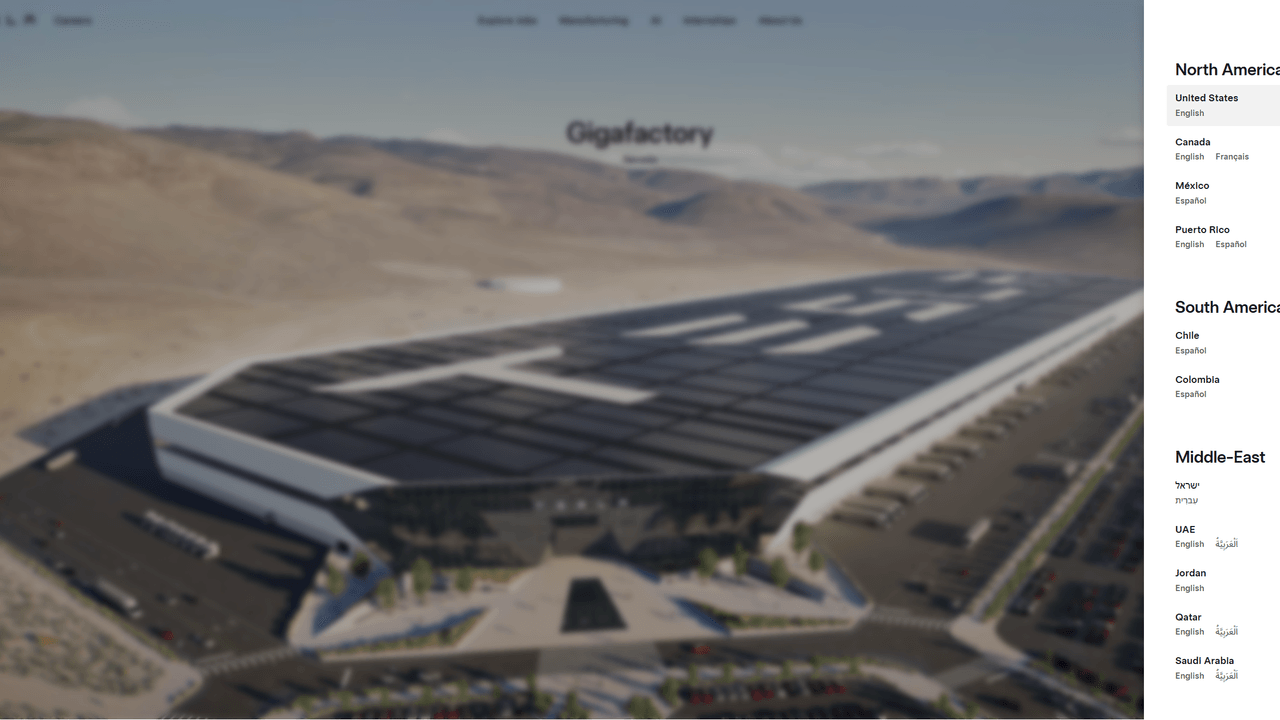
The Gigafactory outside Reno is one of the largest buildings in the world by footprint, a facility so massive that it required a completely new approach to manufacturing.
Here, Tesla produces more lithium-ion batteries than exist anywhere else on Earth, powering not just electric vehicles but utility-scale energy storage systems.
The factory employs thousands of Nevadans, from chemical engineers perfecting battery chemistry to line workers assembling packs with precision robotics.
Tesla's vision of a sustainable future is literally being built, one battery cell at a time, in the Nevada desert.
The Art of Handcrafted Excellence
Building batteries at Gigafactory scale requires revolutionary thinking.
Tesla uses a proprietary dry-electrode process that eliminates toxic solvents and reduces energy consumption by cutting the drying time from hours to minutes.
Battery materials arrive as raw chemicals and are processed into electrodes using massive coating machines that apply layers thinner than a human hair.
These electrodes are then assembled with separators and electrolyte into battery cells—billions of them, produced on production lines that run 24/7.
Advanced robots handle the most precise tasks, while humans oversee quality control and process improvement.
The factory's vertical integration means they control every aspect of battery production, from raw materials to finished packs.
Sierra Nevada Brewing
"Craft beer pioneer known for pale ales and commitment to sustainability."

The Founder's Vision
Ken Grossman started Sierra Nevada Brewing in 1980 with a $50,000 loan and a dream to brew better beer.
What began in a small Chico garage has grown into one of America's most respected craft breweries, known for their iconic Pale Ale that introduced millions to the bold flavors of hops.
Sierra Nevada's impact goes beyond beer—they've been environmental leaders since long before it was fashionable, installing solar panels, implementing water conservation measures, and creating innovative waste-to-energy systems.
The company's commitment to quality and sustainability has influenced thousands of craft breweries that followed.
Every pint of Sierra Nevada represents 40 years of innovation and a dedication to brewing exceptional beer.
A Commitment to Quality
Sierra Nevada's brewing process begins with the finest ingredients: specially selected hops from the Pacific Northwest, premium two-row malted barley, and pure mountain water.
Their brewers use a proprietary yeast strain that creates the distinctive citrus and pine aromas that define their Pale Ale.
Fermentation happens in temperature-controlled tanks, where the yeast converts sugars into alcohol and carbon dioxide.
After fermentation, beer is conditioned and filtered to achieve the crystal-clear appearance that signals quality.
Packaging happens quickly to preserve freshness, with nitrogen-flushing to prevent oxidation.
Every batch is tested for quality, ensuring that Sierra Nevada's reputation for excellence is maintained from brewery to bottle.
Zappos
"Customer service pioneer revolutionizing online retail and culture."

The Story Behind the Brand
Nick Swinmurn founded Zappos in 1999 with a simple idea: what if you could buy shoes online? That radical concept has grown into a $2 billion company that's redefined customer service and corporate culture.
Based in Las Vegas, Zappos has built its reputation on going above and beyond for customers—from free shipping both ways to 365-day returns.
The company's culture book, written by employees, has become a business classic.
Zappos doesn't just sell products; they create experiences, building a brand that millions trust for everything from shoes to home goods.
Their headquarters in Henderson, Nevada is a testament to the idea that companies can do well by doing right by their people and customers.
How It's Made
Zappos' customer experience begins long before an order is placed, with sophisticated inventory management systems that predict demand and ensure popular items are in stock.
When orders come in, they're routed to fulfillment centers where advanced automation helps pick and pack items efficiently.
But Zappos' real secret is its people—the company invests heavily in employee training and culture, empowering customer service representatives to solve problems creatively.
Their warehouse technology includes robots that assist human workers, but never replace them.
Every interaction is designed to delight, from the packaging to the follow-up emails.
Zappos measures success not just in sales, but in customer happiness.
Bigelow Aerospace
"Space habitat innovator developing expandable space stations."

The Story Behind the Brand
Robert Bigelow saw the future of space exploration not in rigid metal cylinders, but in flexible, expandable habitats that could be launched compactly and expanded in orbit.
From his headquarters in Las Vegas, Bigelow Aerospace has pioneered inflatable space technology that's revolutionizing how we think about living and working in space.
Their Genesis and BEAM modules have proven that expandable habitats work, offering more space for less launch mass.
The company's vision extends beyond Earth's orbit, with plans for commercial space stations that could serve as hotels, labs, or stepping stones to Mars.
Bigelow isn't just building spacecraft—they're architecting humanity's future among the stars.
How It's Made
Creating space habitats requires solving problems that don't exist on Earth.
Bigelow's engineers use advanced composite materials that can withstand the vacuum of space while remaining lightweight enough for launch.
The habitats are folded compactly for launch, then expanded using internal pressure systems once in orbit.
This requires precise engineering of seams, pressure vessels, and deployment mechanisms that can operate reliably for decades in the harsh space environment.
Every component is tested extensively: materials are exposed to simulated space conditions, deployment systems are tested in vacuum chambers, and structural integrity is verified through computer modeling.
The result is habitat technology that's changing how we build in space.
Switch
"Data center and colocation provider powering the digital economy."
Innovation Born from Necessity
Rob Roy founded Switch with a vision: create the world's most advanced data centers, built with the redundancy and reliability that modern businesses demand.
From their Las Vegas headquarters, Switch has built a network of 'SUPERNAP' data centers that house the digital infrastructure powering the internet.
These facilities are engineering marvels, designed to withstand natural disasters and cyber threats while maintaining perfect environmental conditions for sensitive electronics.
Switch's clients include Fortune 500 companies, cloud providers, and government agencies—organizations that can't afford downtime.
The company's commitment to innovation extends beyond technology to sustainability, using renewable energy and innovative cooling systems to minimize environmental impact.
Innovation Meets Craftsmanship
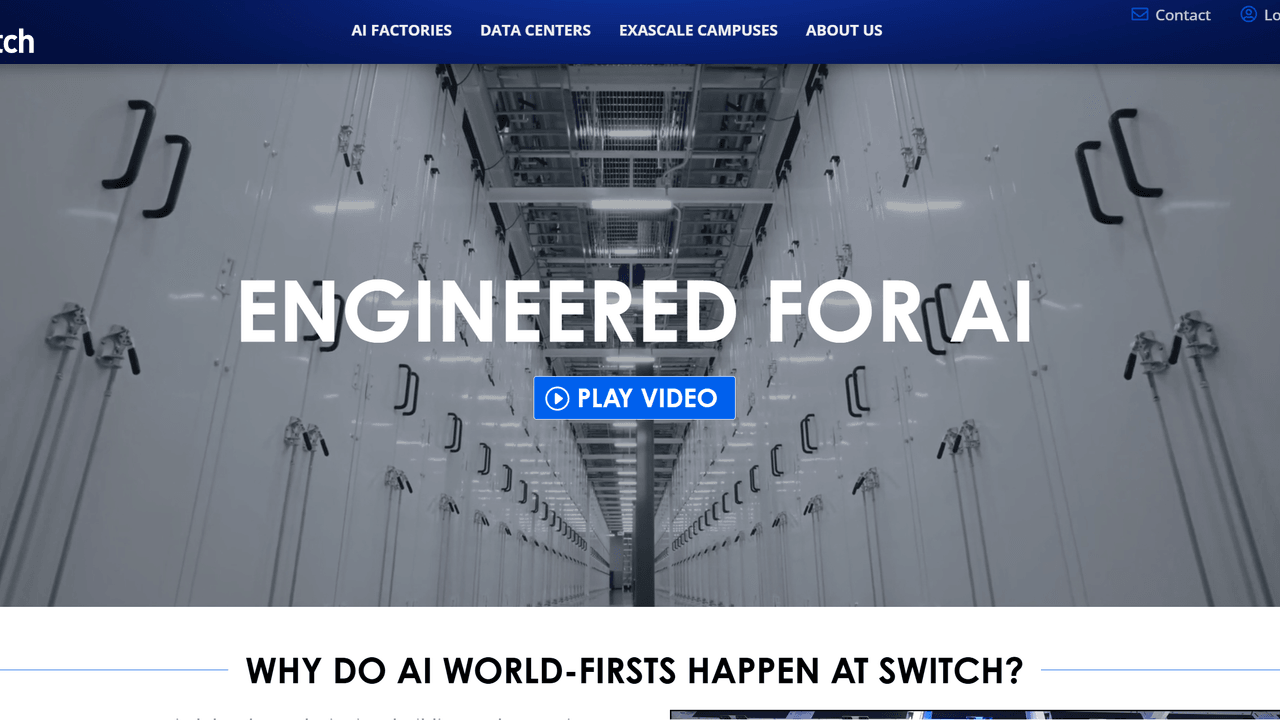
Switch's data centers are designed like fortresses, with multiple layers of security and redundancy.
Each facility uses a unique design called a 'cubic modular' architecture, where data halls are built as independent units that can be maintained without affecting operations.
Power comes from multiple sources, including on-site solar arrays and battery systems that provide instant failover if the grid goes down.
Cooling uses innovative 'hot aisle containment' systems that recycle cooled air efficiently.
Security includes biometric scanners, 24/7 monitoring, and military-grade physical protection.
Every aspect of the facility is monitored in real-time, ensuring 100% uptime for client systems.
Patrón Tequila
"Premium tequila crafted with traditional methods and modern innovation."
A Living Tradition
Patrón Tequila represents the pinnacle of Mexican craftsmanship, from its production facility in the highlands of Jalisco to its global headquarters in Las Vegas.
The brand has elevated tequila from a party spirit to a sipping liquor worthy of the finest collections.
Patrón's success comes from combining traditional production methods—hand-harvesting blue agave, using stone wheel tahonas for crushing, and aging in oak barrels—with meticulous quality control.
Every bottle passes through multiple stages of production, from cooking the agave to bottling the finished spirit.
The company's Las Vegas operations handle global marketing, distribution, and brand development, bringing the spirit of Mexico to consumers worldwide.
The Art of Handcrafted Excellence
Patrón's production begins in the fields of Jalisco, where blue agave plants are harvested by hand—only the heart, called the piña, is used.
These piñas are cooked in traditional brick ovens for 72 hours, developing complex flavors that can't be achieved with industrial methods.
After cooking, the agave is crushed using a tahona, a large stone wheel that extracts juice while preserving fiber.
Fermentation happens in stainless steel tanks using proprietary yeast strains.
Distillation occurs in copper pot stills, with only the heart of the run used for Patrón.
The tequila is then filtered, aged if necessary, and bottled.
Each batch is taste-tested by master distillers to ensure consistency and quality.